Bank Stamp Compliance Guide for Daily Operations
Bank Stamp Compliance Guide for Daily Operations
Step 1: Define the Request in Plain Terms
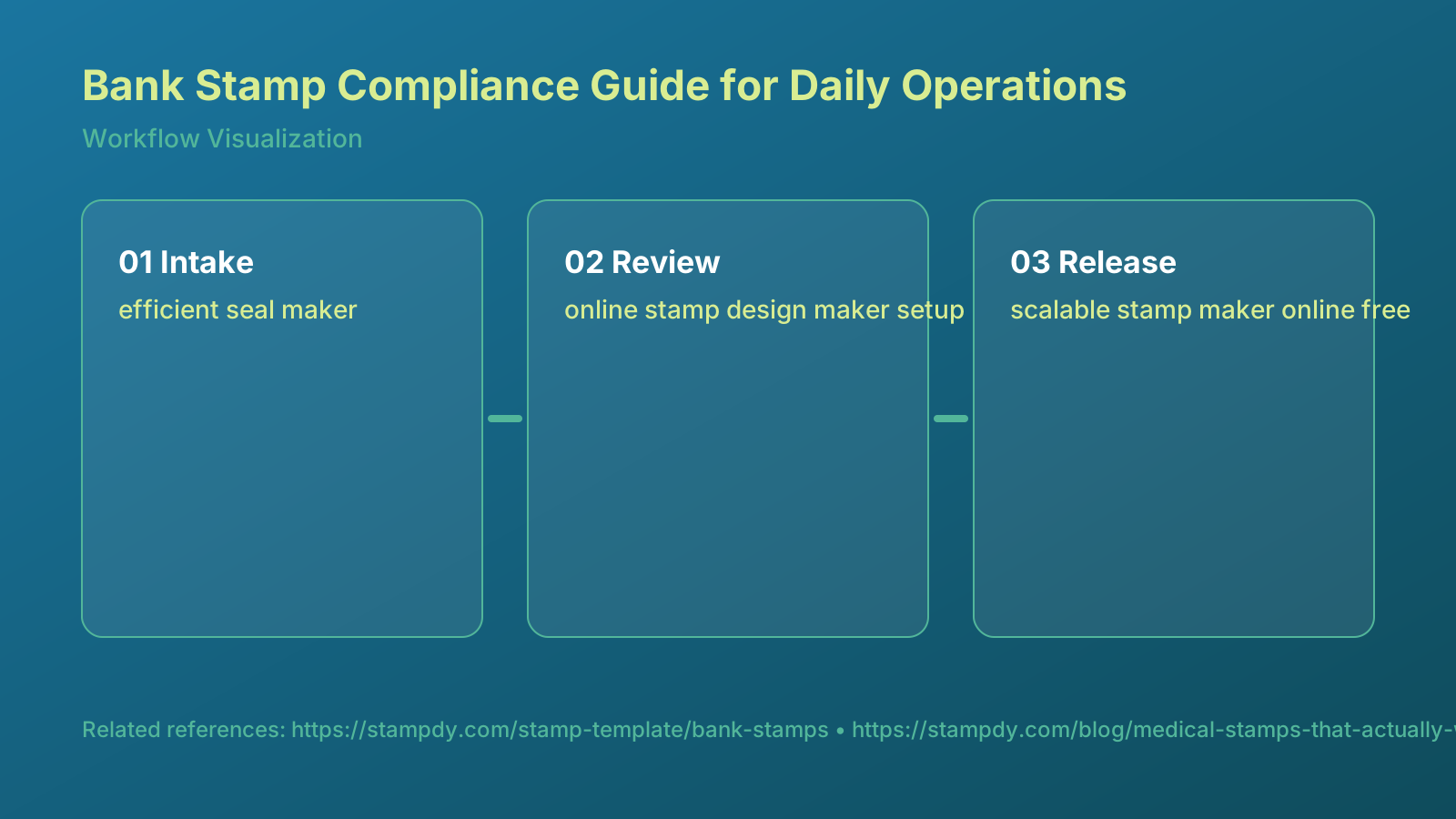
Before anyone touches layout, translate the brief into measurable requirements: final use case, legal wording constraints, and expected print environment. Start by reviewing bank stamps and compare it with medical stamps that actually work so the team agrees on scope. This is also the right moment to lock the exact phrasing behind efficient seal maker, because wording drift usually starts at intake.
Step 2: Assign Source Ownership
Create one editable source file and one release file. Never edit release artifacts directly. If you keep this boundary strict, version confusion drops immediately. Teams handling frequent requests often create a short owner table with file path, approver, and last verified date. That structure becomes essential once online stamp design maker setup appears across multiple departments.
Step 3: Build the Layout for Real Paper
Use screen preview only as a draft check. The real decision must come from true-size print tests. Test one office printer and one production-like output, then inspect line weight, border integrity, and text counters from normal reading distance. If details collapse, simplify geometry before changing content. This is where teams usually discover that scalable stamp maker online free needs tighter spacing rules than expected.
Step 4: Split Review Into Two Passes
Pass A confirms wording and compliance context. Pass B confirms print behavior and visual consistency. Mixing both in one thread creates noisy feedback and delayed sign-off. For practical references, place the definitive knowledge guide to logo stamps where reviewers can compare similar constraints quickly.
Step 5: Use Internal Links as Decision Aids
Links should answer a concrete next question. Use everything you need to know about date stamps when readers need another implementation example, and use how to make a medical seal for downstream route context. In tutorial content, this pattern keeps navigation natural while supporting on-site SEO. It also makes long-form guidance easier to apply when teams revisit the article weeks later.
Step 6: Run a Weekly Quality Loop
A durable schedule is intake on Monday, wording lock on Tuesday, print validation on Wednesday, sign-off on Thursday, and archive release on Friday. The order matters more than the day names. Add a one-line change note per release so future edits do not restart old debates.
Common Pitfalls to Avoid
- Skipping the true-size print check because the preview looks clean.
- Editing exported files instead of the editable source.
- Accepting informal wording updates without recording who approved them.
- Over-linking paragraphs where no decision is being made.
Final Tutorial Takeaway
Treat bank stamp compliance guide as an operational workflow, not a design-only task. Once ownership, wording, print testing, and review order are explicit, quality improves quickly and stays stable under pressure.
Additional Implementation Notes
If your team handles multiple branches, add a monthly audit that checks template ownership, approved phrase sets, and output naming consistency. This extra loop catches silent drift early and prevents high-cost fixes during urgent release windows. Also keep one approved sample and one rejected sample in the same folder as the source file; that pair accelerates onboarding and gives reviewers a concrete quality baseline.
Deep Practice Extension
To make this tutorial actionable in daily work, run a short rehearsal before the next live request. Start with a real ticket related to bank stamp compliance guide for daily operations, then walk through intake, wording lock, layout decisions, print checks, and release notes without skipping steps. Ask one teammate to challenge assumptions and another teammate to verify outputs against an approved baseline. This rehearsal reveals hidden gaps quickly, especially around handoff timing and ownership clarity. In teams that process frequent updates, the biggest wins come from small habits: one source file owner, one wording owner, one print validator, and one final sign-off owner. If any role is unclear, corrections multiply later. Tie this extension to efficient seal maker and online stamp design maker setup so contributors know where keyword strategy meets operational quality. Use bank stamps for implementation references and medical stamps that actually work for route context when documenting your checklist. Over time, this extension turns a good article into a repeatable workflow that new staff can execute confidently under pressure.
Practical Workshop Module 1
In a support desk with daily document traffic, this stage of bank stamp compliance guide for daily operations is where teams either build momentum or create hidden debt. When the quality reviewer and the template maintainer do not share the same release assumptions, small differences become recurring defects. The most common trigger at this point is overwriting release files during urgent fixes, because the team often trusts memory more than explicit operating notes. A reliable correction is to enforce a one-source-of-truth rule for editable files and capture why the decision was made before the next handoff begins.
From a content and SEO angle, the workflow should integrate strategic phrases without breaking readability. Instead of dropping keywords into unrelated lines, tie online stamp design maker setup and scalable stamp maker online free to concrete actions that readers can copy. For example, one paragraph can explain the intake decision path, and the next can explain the review threshold used to accept output. This keeps the text natural while still reinforcing search intent through contextual placement. When reference examples help, point readers to medical stamps that actually work and the definitive knowledge guide to logo stamps rather than adding decorative links with no practical value.
Operationally, treat this module as a measurable experiment. Track handoff-related escalation volume for at least two release cycles and compare outcomes before and after the new control is adopted. If results do not improve, refine role ownership, tighten acceptance criteria, and document exceptions with explicit owners. For teams running cross-route updates, everything you need to know about date stamps can be used as an alignment checkpoint to confirm that language, layout, and publishing logic remain synchronized. This is how process discipline turns long-form content into a durable playbook rather than a one-time article.
Practical Workshop Module 2
In a distributed branch network, this stage of bank stamp compliance guide for daily operations is where teams either build momentum or create hidden debt. When the quality reviewer and the compliance reviewer do not share the same release assumptions, small differences become recurring defects. The most common trigger at this point is late print failure discovered after approval, because the team often trusts memory more than explicit operating notes. A reliable correction is to enforce a two-pass review gate separating wording and geometry and capture why the decision was made before the next handoff begins.
From a content and SEO angle, the workflow should integrate strategic phrases without breaking readability. Instead of dropping keywords into unrelated lines, tie scalable stamp maker online free and online rubber stamp creator workflow to concrete actions that readers can copy. For example, one paragraph can explain the intake decision path, and the next can explain the review threshold used to accept output. This keeps the text natural while still reinforcing search intent through contextual placement. When reference examples help, point readers to the definitive knowledge guide to logo stamps and everything you need to know about date stamps rather than adding decorative links with no practical value.
Operationally, treat this module as a measurable experiment. Track handoff-related escalation volume for at least two release cycles and compare outcomes before and after the new control is adopted. If results do not improve, refine role ownership, tighten acceptance criteria, and document exceptions with explicit owners. For teams running cross-route updates, how to make a medical seal can be used as an alignment checkpoint to confirm that language, layout, and publishing logic remain synchronized. This is how process discipline turns long-form content into a durable playbook rather than a one-time article.
Practical Workshop Module 3
In a support desk with daily document traffic, this stage of bank stamp compliance guide for daily operations is where teams either build momentum or create hidden debt. When the compliance reviewer and the team lead do not share the same release assumptions, small differences become recurring defects. The most common trigger at this point is unclear ownership of the editable source, because the team often trusts memory more than explicit operating notes. A reliable correction is to enforce a monthly drift audit for repeated template families and capture why the decision was made before the next handoff begins.
From a content and SEO angle, the workflow should integrate strategic phrases without breaking readability. Instead of dropping keywords into unrelated lines, tie online rubber stamp creator workflow and online rubber stamp creator workflow to concrete actions that readers can copy. For example, one paragraph can explain the intake decision path, and the next can explain the review threshold used to accept output. This keeps the text natural while still reinforcing search intent through contextual placement. When reference examples help, point readers to everything you need to know about date stamps and how to make a medical seal rather than adding decorative links with no practical value.
Operationally, treat this module as a measurable experiment. Track approval turnaround time for at least two release cycles and compare outcomes before and after the new control is adopted. If results do not improve, refine role ownership, tighten acceptance criteria, and document exceptions with explicit owners. For teams running cross-route updates, bank stamps can be used as an alignment checkpoint to confirm that language, layout, and publishing logic remain synchronized. This is how process discipline turns long-form content into a durable playbook rather than a one-time article.
Practical Workshop Module 4
In a compliance-heavy office, this stage of bank stamp compliance guide for daily operations is where teams either build momentum or create hidden debt. When the intake coordinator and the compliance reviewer do not share the same release assumptions, small differences become recurring defects. The most common trigger at this point is late print failure discovered after approval, because the team often trusts memory more than explicit operating notes. A reliable correction is to enforce a weekly release note with owner and rationale fields and capture why the decision was made before the next handoff begins.
From a content and SEO angle, the workflow should integrate strategic phrases without breaking readability. Instead of dropping keywords into unrelated lines, tie online rubber stamp creator workflow and efficient seal maker to concrete actions that readers can copy. For example, one paragraph can explain the intake decision path, and the next can explain the review threshold used to accept output. This keeps the text natural while still reinforcing search intent through contextual placement. When reference examples help, point readers to how to make a medical seal and bank stamps rather than adding decorative links with no practical value.
Operationally, treat this module as a measurable experiment. Track audit-response preparation time for at least two release cycles and compare outcomes before and after the new control is adopted. If results do not improve, refine role ownership, tighten acceptance criteria, and document exceptions with explicit owners. For teams running cross-route updates, medical stamps that actually work can be used as an alignment checkpoint to confirm that language, layout, and publishing logic remain synchronized. This is how process discipline turns long-form content into a durable playbook rather than a one-time article.
Practical Workshop Module 5
In a legal review pipeline with strict wording rules, this stage of bank stamp compliance guide for daily operations is where teams either build momentum or create hidden debt. When the document controller and the team lead do not share the same release assumptions, small differences become recurring defects. The most common trigger at this point is unclear ownership of the editable source, because the team often trusts memory more than explicit operating notes. A reliable correction is to enforce an archive policy that separates draft, approved, and published assets and capture why the decision was made before the next handoff begins.
From a content and SEO angle, the workflow should integrate strategic phrases without breaking readability. Instead of dropping keywords into unrelated lines, tie efficient seal maker and online stamp design maker setup to concrete actions that readers can copy. For example, one paragraph can explain the intake decision path, and the next can explain the review threshold used to accept output. This keeps the text natural while still reinforcing search intent through contextual placement. When reference examples help, point readers to bank stamps and medical stamps that actually work rather than adding decorative links with no practical value.
Operationally, treat this module as a measurable experiment. Track approval turnaround time for at least two release cycles and compare outcomes before and after the new control is adopted. If results do not improve, refine role ownership, tighten acceptance criteria, and document exceptions with explicit owners. For teams running cross-route updates, the definitive knowledge guide to logo stamps can be used as an alignment checkpoint to confirm that language, layout, and publishing logic remain synchronized. This is how process discipline turns long-form content into a durable playbook rather than a one-time article.
Practical Workshop Module 6
In a mixed print-and-digital admin workflow, this stage of bank stamp compliance guide for daily operations is where teams either build momentum or create hidden debt. When the document controller and the intake coordinator do not share the same release assumptions, small differences become recurring defects. The most common trigger at this point is untracked wording changes before release, because the team often trusts memory more than explicit operating notes. A reliable correction is to enforce a controlled phrase bank for high-volume request types and capture why the decision was made before the next handoff begins.
From a content and SEO angle, the workflow should integrate strategic phrases without breaking readability. Instead of dropping keywords into unrelated lines, tie online stamp design maker setup and scalable stamp maker online free to concrete actions that readers can copy. For example, one paragraph can explain the intake decision path, and the next can explain the review threshold used to accept output. This keeps the text natural while still reinforcing search intent through contextual placement. When reference examples help, point readers to medical stamps that actually work and the definitive knowledge guide to logo stamps rather than adding decorative links with no practical value.
Operationally, treat this module as a measurable experiment. Track first-pass acceptance rate for at least two release cycles and compare outcomes before and after the new control is adopted. If results do not improve, refine role ownership, tighten acceptance criteria, and document exceptions with explicit owners. For teams running cross-route updates, everything you need to know about date stamps can be used as an alignment checkpoint to confirm that language, layout, and publishing logic remain synchronized. This is how process discipline turns long-form content into a durable playbook rather than a one-time article.
Practical Workshop Module 7
In an education administration department, this stage of bank stamp compliance guide for daily operations is where teams either build momentum or create hidden debt. When the quality reviewer and the document controller do not share the same release assumptions, small differences become recurring defects. The most common trigger at this point is unclear ownership of the editable source, because the team often trusts memory more than explicit operating notes. A reliable correction is to enforce a controlled phrase bank for high-volume request types and capture why the decision was made before the next handoff begins.
From a content and SEO angle, the workflow should integrate strategic phrases without breaking readability. Instead of dropping keywords into unrelated lines, tie scalable stamp maker online free and online rubber stamp creator workflow to concrete actions that readers can copy. For example, one paragraph can explain the intake decision path, and the next can explain the review threshold used to accept output. This keeps the text natural while still reinforcing search intent through contextual placement. When reference examples help, point readers to the definitive knowledge guide to logo stamps and everything you need to know about date stamps rather than adding decorative links with no practical value.
Operationally, treat this module as a measurable experiment. Track handoff-related escalation volume for at least two release cycles and compare outcomes before and after the new control is adopted. If results do not improve, refine role ownership, tighten acceptance criteria, and document exceptions with explicit owners. For teams running cross-route updates, how to make a medical seal can be used as an alignment checkpoint to confirm that language, layout, and publishing logic remain synchronized. This is how process discipline turns long-form content into a durable playbook rather than a one-time article.
Practical Workshop Module 8
In a fast-moving operations team, this stage of bank stamp compliance guide for daily operations is where teams either build momentum or create hidden debt. When the template maintainer and the team lead do not share the same release assumptions, small differences become recurring defects. The most common trigger at this point is untracked wording changes before release, because the team often trusts memory more than explicit operating notes. A reliable correction is to enforce a controlled phrase bank for high-volume request types and capture why the decision was made before the next handoff begins.
From a content and SEO angle, the workflow should integrate strategic phrases without breaking readability. Instead of dropping keywords into unrelated lines, tie online rubber stamp creator workflow and online rubber stamp creator workflow to concrete actions that readers can copy. For example, one paragraph can explain the intake decision path, and the next can explain the review threshold used to accept output. This keeps the text natural while still reinforcing search intent through contextual placement. When reference examples help, point readers to everything you need to know about date stamps and how to make a medical seal rather than adding decorative links with no practical value.
Operationally, treat this module as a measurable experiment. Track rate of duplicate template creation for at least two release cycles and compare outcomes before and after the new control is adopted. If results do not improve, refine role ownership, tighten acceptance criteria, and document exceptions with explicit owners. For teams running cross-route updates, bank stamps can be used as an alignment checkpoint to confirm that language, layout, and publishing logic remain synchronized. This is how process discipline turns long-form content into a durable playbook rather than a one-time article.
Practical Workshop Module 9
In a legal review pipeline with strict wording rules, this stage of bank stamp compliance guide for daily operations is where teams either build momentum or create hidden debt. When the production operator and the template maintainer do not share the same release assumptions, small differences become recurring defects. The most common trigger at this point is semantic drift in repeated request wording, because the team often trusts memory more than explicit operating notes. A reliable correction is to enforce a one-source-of-truth rule for editable files and capture why the decision was made before the next handoff begins.
From a content and SEO angle, the workflow should integrate strategic phrases without breaking readability. Instead of dropping keywords into unrelated lines, tie online rubber stamp creator workflow and efficient seal maker to concrete actions that readers can copy. For example, one paragraph can explain the intake decision path, and the next can explain the review threshold used to accept output. This keeps the text natural while still reinforcing search intent through contextual placement. When reference examples help, point readers to how to make a medical seal and bank stamps rather than adding decorative links with no practical value.
Operationally, treat this module as a measurable experiment. Track audit-response preparation time for at least two release cycles and compare outcomes before and after the new control is adopted. If results do not improve, refine role ownership, tighten acceptance criteria, and document exceptions with explicit owners. For teams running cross-route updates, medical stamps that actually work can be used as an alignment checkpoint to confirm that language, layout, and publishing logic remain synchronized. This is how process discipline turns long-form content into a durable playbook rather than a one-time article.
Practical Workshop Module 10
In a compliance-heavy office, this stage of bank stamp compliance guide for daily operations is where teams either build momentum or create hidden debt. When the quality reviewer and the compliance reviewer do not share the same release assumptions, small differences become recurring defects. The most common trigger at this point is review comments mixed across legal and visual scope, because the team often trusts memory more than explicit operating notes. A reliable correction is to enforce a true-size print validation on two output conditions and capture why the decision was made before the next handoff begins.
From a content and SEO angle, the workflow should integrate strategic phrases without breaking readability. Instead of dropping keywords into unrelated lines, tie efficient seal maker and online stamp design maker setup to concrete actions that readers can copy. For example, one paragraph can explain the intake decision path, and the next can explain the review threshold used to accept output. This keeps the text natural while still reinforcing search intent through contextual placement. When reference examples help, point readers to bank stamps and medical stamps that actually work rather than adding decorative links with no practical value.
Operationally, treat this module as a measurable experiment. Track time spent clarifying request language for at least two release cycles and compare outcomes before and after the new control is adopted. If results do not improve, refine role ownership, tighten acceptance criteria, and document exceptions with explicit owners. For teams running cross-route updates, the definitive knowledge guide to logo stamps can be used as an alignment checkpoint to confirm that language, layout, and publishing logic remain synchronized. This is how process discipline turns long-form content into a durable playbook rather than a one-time article.