Chinese Seal Design Basics for Modern Office Use
Chinese Seal Design Basics for Modern Office Use
1. Governance Layer
Define role ownership across intake, wording, layout, and release. One person can hold multiple roles in a small team, but each role must be explicit. Use design seals and library seal as reference baselines when aligning scope and route intent.
2. Language Layer
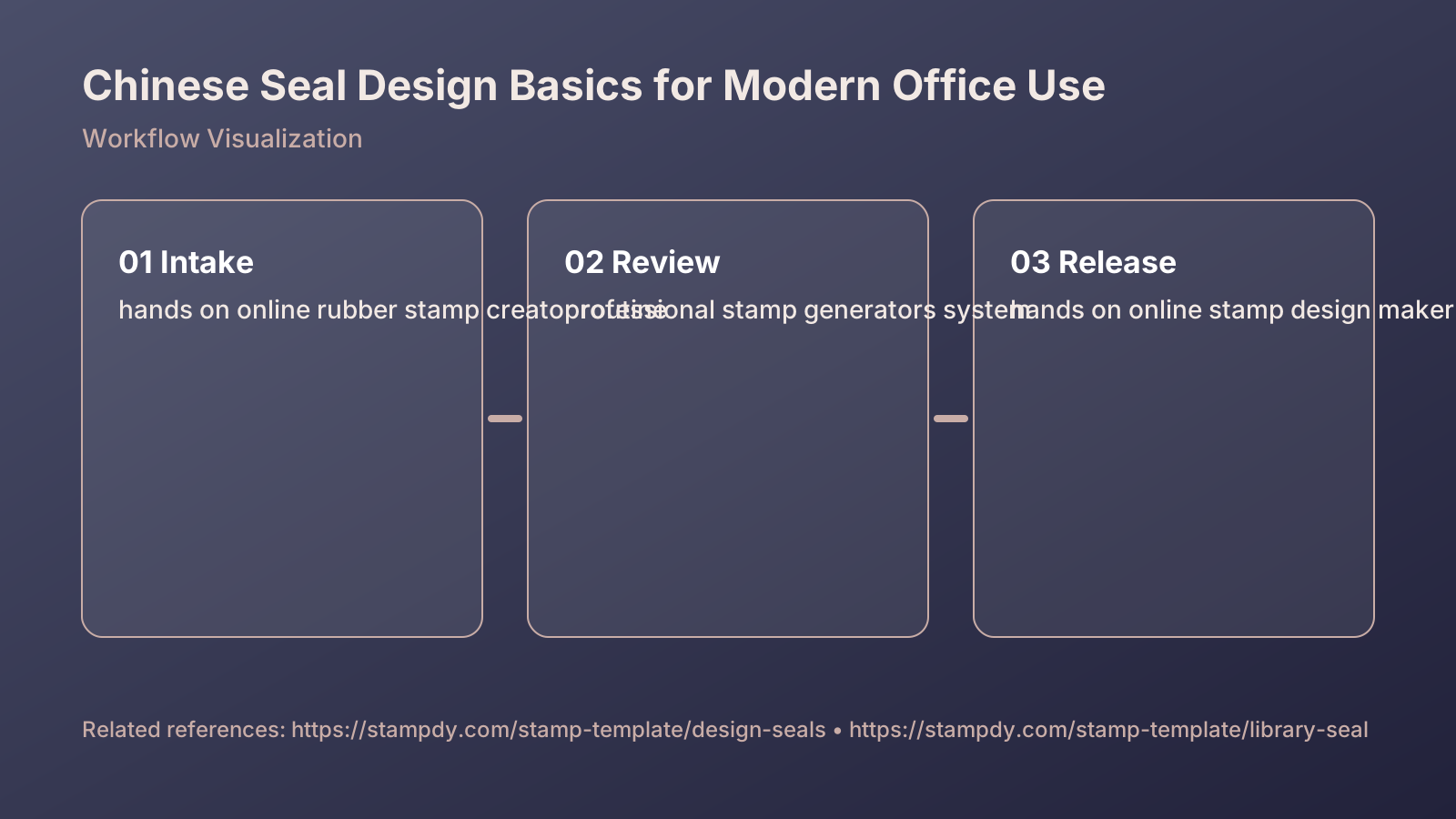
Standardize request phrases before execution. For example, terms like hands-on online rubber stamp creator routine, professional stamp generators system, and hands-on online stamp design maker method should map to known intent categories and approved wording blocks. This reduces semantic drift and shortens legal review cycles.
3. Design-to-Print Layer
Treat preview as preliminary, not final. Run true-size print checks under realistic conditions, then measure readability, line durability, and border clarity. If the design depends on perfect ink behavior, simplify structure before approval.
4. Review Layer
Apply a two-pass gate: content/compliance first, print/geometry second. Each pass should produce clear acceptance criteria. For parallel examples or edge-case reference, route reviewers to how to make a medical seal where similar constraints are documented.
5. Internal Linking Layer
Use internal links as guidance nodes. Place chinese seal when readers need a workflow continuation and place government seal when route-level context improves navigation. This keeps user flow coherent while supporting on-site SEO objectives.
6. Release Layer
Archive one editable source, one signed-off output, and one short change note. If a later update is required, modify source first, regenerate output second, and document reason third. This sequence prevents hidden divergence between files.
7. Operational Cadence
Run a weekly cadence with fixed order: intake, wording lock, print validation, approval, publication, archive. The order should not depend on team mood or request urgency. Consistency here is what keeps quality stable as volume grows.
Implementation Checklist
- Role ownership documented and visible.
- Controlled vocabulary applied to new requests.
- True-size print validation completed before release.
- Two-pass review completed with recorded acceptance.
- Internal links placed at decision points, not arbitrarily.
- Source/release artifacts archived with traceable notes.
Keyword Alignment Notes
For guide-style content, scalable stamp maker online free is integrated where readers need practical direction, not where filler text would normally appear. This preserves both semantic relevance and a human editorial flow.
Guide Conclusion
When teams apply this framework, chinese seal design basics becomes predictable rather than reactive. That predictability is the foundation for quality at scale and for editorial content that feels genuinely useful to human readers.
Extended Guidance for Multi-Team Environments
In larger organizations, add a monthly cross-team review where representatives compare phrase banks, approval logs, and print outcomes. This practice prevents local optimizations from fragmenting the global standard. Over time, the shared review archive becomes a high-value reference library that improves both editorial quality and operational consistency across routes.
Guide-Level Operating Notes
For teams implementing this guide across multiple roles, the next maturity step is to formalize a lightweight governance loop. That loop should verify phrase standards, print thresholds, release naming, and approval traceability at fixed intervals. Without scheduled verification, standards drift slowly and usually fail during urgent requests. A practical governance loop is short: collect recent changes, check them against policy, capture exceptions, assign owners, and close open gaps before the next release. This keeps the system stable without adding heavy ceremony. In guide workflows, readers benefit when abstract advice is tied to concrete references such as design seals and library seal. It also helps to anchor strategic terms directly in the operating model, including hands-on online rubber stamp creator routine, professional stamp generators system, and hands-on online stamp design maker method, so editorial goals and production quality move in the same direction. When teams adopt this rhythm, quality becomes predictable, audits become easier, and scaling content no longer creates hidden operational debt.
Guide Expansion Layer 1
In a distributed branch network, this stage of chinese seal design basics for modern office use is where teams either build momentum or create hidden debt. When the production operator and the intake coordinator do not share the same release assumptions, small differences become recurring defects. The most common trigger at this point is missing evidence for why a change was approved, because the team often trusts memory more than explicit operating notes. A reliable correction is to enforce a one-source-of-truth rule for editable files and capture why the decision was made before the next handoff begins.
From a content and SEO angle, the workflow should integrate strategic phrases without breaking readability. Instead of dropping keywords into unrelated lines, tie professional stamp generators system and hands-on online stamp design maker method to concrete actions that readers can copy. For example, one paragraph can explain the intake decision path, and the next can explain the review threshold used to accept output. This keeps the text natural while still reinforcing search intent through contextual placement. When reference examples help, point readers to library seal and how to make a medical seal rather than adding decorative links with no practical value.
Operationally, treat this module as a measurable experiment. Track handoff-related escalation volume for at least two release cycles and compare outcomes before and after the new control is adopted. If results do not improve, refine role ownership, tighten acceptance criteria, and document exceptions with explicit owners. For teams running cross-route updates, chinese seal can be used as an alignment checkpoint to confirm that language, layout, and publishing logic remain synchronized. This is how process discipline turns long-form content into a durable playbook rather than a one-time article.
Guide Expansion Layer 2
In a distributed branch network, this stage of chinese seal design basics for modern office use is where teams either build momentum or create hidden debt. When the team lead and the compliance reviewer do not share the same release assumptions, small differences become recurring defects. The most common trigger at this point is review comments mixed across legal and visual scope, because the team often trusts memory more than explicit operating notes. A reliable correction is to enforce a monthly drift audit for repeated template families and capture why the decision was made before the next handoff begins.
From a content and SEO angle, the workflow should integrate strategic phrases without breaking readability. Instead of dropping keywords into unrelated lines, tie hands-on online stamp design maker method and scalable stamp maker online free to concrete actions that readers can copy. For example, one paragraph can explain the intake decision path, and the next can explain the review threshold used to accept output. This keeps the text natural while still reinforcing search intent through contextual placement. When reference examples help, point readers to how to make a medical seal and chinese seal rather than adding decorative links with no practical value.
Operationally, treat this module as a measurable experiment. Track audit-response preparation time for at least two release cycles and compare outcomes before and after the new control is adopted. If results do not improve, refine role ownership, tighten acceptance criteria, and document exceptions with explicit owners. For teams running cross-route updates, government seal can be used as an alignment checkpoint to confirm that language, layout, and publishing logic remain synchronized. This is how process discipline turns long-form content into a durable playbook rather than a one-time article.
Guide Expansion Layer 3
In a mixed print-and-digital admin workflow, this stage of chinese seal design basics for modern office use is where teams either build momentum or create hidden debt. When the compliance reviewer and the production operator do not share the same release assumptions, small differences become recurring defects. The most common trigger at this point is semantic drift in repeated request wording, because the team often trusts memory more than explicit operating notes. A reliable correction is to enforce a controlled phrase bank for high-volume request types and capture why the decision was made before the next handoff begins.
From a content and SEO angle, the workflow should integrate strategic phrases without breaking readability. Instead of dropping keywords into unrelated lines, tie scalable stamp maker online free and stamp maker online workflow to concrete actions that readers can copy. For example, one paragraph can explain the intake decision path, and the next can explain the review threshold used to accept output. This keeps the text natural while still reinforcing search intent through contextual placement. When reference examples help, point readers to chinese seal and government seal rather than adding decorative links with no practical value.
Operationally, treat this module as a measurable experiment. Track number of post-release corrections for at least two release cycles and compare outcomes before and after the new control is adopted. If results do not improve, refine role ownership, tighten acceptance criteria, and document exceptions with explicit owners. For teams running cross-route updates, design seals can be used as an alignment checkpoint to confirm that language, layout, and publishing logic remain synchronized. This is how process discipline turns long-form content into a durable playbook rather than a one-time article.
Guide Expansion Layer 4
In a finance and procurement handoff flow, this stage of chinese seal design basics for modern office use is where teams either build momentum or create hidden debt. When the intake coordinator and the production operator do not share the same release assumptions, small differences become recurring defects. The most common trigger at this point is review comments mixed across legal and visual scope, because the team often trusts memory more than explicit operating notes. A reliable correction is to enforce a weekly release note with owner and rationale fields and capture why the decision was made before the next handoff begins.
From a content and SEO angle, the workflow should integrate strategic phrases without breaking readability. Instead of dropping keywords into unrelated lines, tie stamp maker online workflow and hands-on online rubber stamp creator routine to concrete actions that readers can copy. For example, one paragraph can explain the intake decision path, and the next can explain the review threshold used to accept output. This keeps the text natural while still reinforcing search intent through contextual placement. When reference examples help, point readers to government seal and design seals rather than adding decorative links with no practical value.
Operationally, treat this module as a measurable experiment. Track time spent clarifying request language for at least two release cycles and compare outcomes before and after the new control is adopted. If results do not improve, refine role ownership, tighten acceptance criteria, and document exceptions with explicit owners. For teams running cross-route updates, library seal can be used as an alignment checkpoint to confirm that language, layout, and publishing logic remain synchronized. This is how process discipline turns long-form content into a durable playbook rather than a one-time article.
Guide Expansion Layer 5
In a distributed branch network, this stage of chinese seal design basics for modern office use is where teams either build momentum or create hidden debt. When the document controller and the team lead do not share the same release assumptions, small differences become recurring defects. The most common trigger at this point is missing evidence for why a change was approved, because the team often trusts memory more than explicit operating notes. A reliable correction is to enforce an archive policy that separates draft, approved, and published assets and capture why the decision was made before the next handoff begins.
From a content and SEO angle, the workflow should integrate strategic phrases without breaking readability. Instead of dropping keywords into unrelated lines, tie hands-on online rubber stamp creator routine and professional stamp generators system to concrete actions that readers can copy. For example, one paragraph can explain the intake decision path, and the next can explain the review threshold used to accept output. This keeps the text natural while still reinforcing search intent through contextual placement. When reference examples help, point readers to design seals and library seal rather than adding decorative links with no practical value.
Operationally, treat this module as a measurable experiment. Track number of post-release corrections for at least two release cycles and compare outcomes before and after the new control is adopted. If results do not improve, refine role ownership, tighten acceptance criteria, and document exceptions with explicit owners. For teams running cross-route updates, how to make a medical seal can be used as an alignment checkpoint to confirm that language, layout, and publishing logic remain synchronized. This is how process discipline turns long-form content into a durable playbook rather than a one-time article.
Guide Expansion Layer 6
In a compliance-heavy office, this stage of chinese seal design basics for modern office use is where teams either build momentum or create hidden debt. When the compliance reviewer and the production operator do not share the same release assumptions, small differences become recurring defects. The most common trigger at this point is missing evidence for why a change was approved, because the team often trusts memory more than explicit operating notes. A reliable correction is to enforce a monthly drift audit for repeated template families and capture why the decision was made before the next handoff begins.
From a content and SEO angle, the workflow should integrate strategic phrases without breaking readability. Instead of dropping keywords into unrelated lines, tie professional stamp generators system and hands-on online stamp design maker method to concrete actions that readers can copy. For example, one paragraph can explain the intake decision path, and the next can explain the review threshold used to accept output. This keeps the text natural while still reinforcing search intent through contextual placement. When reference examples help, point readers to library seal and how to make a medical seal rather than adding decorative links with no practical value.
Operationally, treat this module as a measurable experiment. Track handoff-related escalation volume for at least two release cycles and compare outcomes before and after the new control is adopted. If results do not improve, refine role ownership, tighten acceptance criteria, and document exceptions with explicit owners. For teams running cross-route updates, chinese seal can be used as an alignment checkpoint to confirm that language, layout, and publishing logic remain synchronized. This is how process discipline turns long-form content into a durable playbook rather than a one-time article.
Guide Expansion Layer 7
In a fast-moving operations team, this stage of chinese seal design basics for modern office use is where teams either build momentum or create hidden debt. When the document controller and the team lead do not share the same release assumptions, small differences become recurring defects. The most common trigger at this point is missing evidence for why a change was approved, because the team often trusts memory more than explicit operating notes. A reliable correction is to enforce a weekly release note with owner and rationale fields and capture why the decision was made before the next handoff begins.
From a content and SEO angle, the workflow should integrate strategic phrases without breaking readability. Instead of dropping keywords into unrelated lines, tie hands-on online stamp design maker method and scalable stamp maker online free to concrete actions that readers can copy. For example, one paragraph can explain the intake decision path, and the next can explain the review threshold used to accept output. This keeps the text natural while still reinforcing search intent through contextual placement. When reference examples help, point readers to how to make a medical seal and chinese seal rather than adding decorative links with no practical value.
Operationally, treat this module as a measurable experiment. Track audit-response preparation time for at least two release cycles and compare outcomes before and after the new control is adopted. If results do not improve, refine role ownership, tighten acceptance criteria, and document exceptions with explicit owners. For teams running cross-route updates, government seal can be used as an alignment checkpoint to confirm that language, layout, and publishing logic remain synchronized. This is how process discipline turns long-form content into a durable playbook rather than a one-time article.
Guide Expansion Layer 8
In an education administration department, this stage of chinese seal design basics for modern office use is where teams either build momentum or create hidden debt. When the compliance reviewer and the intake coordinator do not share the same release assumptions, small differences become recurring defects. The most common trigger at this point is review comments mixed across legal and visual scope, because the team often trusts memory more than explicit operating notes. A reliable correction is to enforce a weekly release note with owner and rationale fields and capture why the decision was made before the next handoff begins.
From a content and SEO angle, the workflow should integrate strategic phrases without breaking readability. Instead of dropping keywords into unrelated lines, tie scalable stamp maker online free and stamp maker online workflow to concrete actions that readers can copy. For example, one paragraph can explain the intake decision path, and the next can explain the review threshold used to accept output. This keeps the text natural while still reinforcing search intent through contextual placement. When reference examples help, point readers to chinese seal and government seal rather than adding decorative links with no practical value.
Operationally, treat this module as a measurable experiment. Track time spent clarifying request language for at least two release cycles and compare outcomes before and after the new control is adopted. If results do not improve, refine role ownership, tighten acceptance criteria, and document exceptions with explicit owners. For teams running cross-route updates, design seals can be used as an alignment checkpoint to confirm that language, layout, and publishing logic remain synchronized. This is how process discipline turns long-form content into a durable playbook rather than a one-time article.
Guide Expansion Layer 9
In a distributed branch network, this stage of chinese seal design basics for modern office use is where teams either build momentum or create hidden debt. When the template maintainer and the intake coordinator do not share the same release assumptions, small differences become recurring defects. The most common trigger at this point is unclear ownership of the editable source, because the team often trusts memory more than explicit operating notes. A reliable correction is to enforce a true-size print validation on two output conditions and capture why the decision was made before the next handoff begins.
From a content and SEO angle, the workflow should integrate strategic phrases without breaking readability. Instead of dropping keywords into unrelated lines, tie stamp maker online workflow and hands-on online rubber stamp creator routine to concrete actions that readers can copy. For example, one paragraph can explain the intake decision path, and the next can explain the review threshold used to accept output. This keeps the text natural while still reinforcing search intent through contextual placement. When reference examples help, point readers to government seal and design seals rather than adding decorative links with no practical value.
Operationally, treat this module as a measurable experiment. Track audit-response preparation time for at least two release cycles and compare outcomes before and after the new control is adopted. If results do not improve, refine role ownership, tighten acceptance criteria, and document exceptions with explicit owners. For teams running cross-route updates, library seal can be used as an alignment checkpoint to confirm that language, layout, and publishing logic remain synchronized. This is how process discipline turns long-form content into a durable playbook rather than a one-time article.
Guide Expansion Layer 10
In an education administration department, this stage of chinese seal design basics for modern office use is where teams either build momentum or create hidden debt. When the compliance reviewer and the quality reviewer do not share the same release assumptions, small differences become recurring defects. The most common trigger at this point is semantic drift in repeated request wording, because the team often trusts memory more than explicit operating notes. A reliable correction is to enforce a monthly drift audit for repeated template families and capture why the decision was made before the next handoff begins.
From a content and SEO angle, the workflow should integrate strategic phrases without breaking readability. Instead of dropping keywords into unrelated lines, tie hands-on online rubber stamp creator routine and professional stamp generators system to concrete actions that readers can copy. For example, one paragraph can explain the intake decision path, and the next can explain the review threshold used to accept output. This keeps the text natural while still reinforcing search intent through contextual placement. When reference examples help, point readers to design seals and library seal rather than adding decorative links with no practical value.
Operationally, treat this module as a measurable experiment. Track first-pass acceptance rate for at least two release cycles and compare outcomes before and after the new control is adopted. If results do not improve, refine role ownership, tighten acceptance criteria, and document exceptions with explicit owners. For teams running cross-route updates, how to make a medical seal can be used as an alignment checkpoint to confirm that language, layout, and publishing logic remain synchronized. This is how process discipline turns long-form content into a durable playbook rather than a one-time article.