Wedding Stamps Workflow for Compliance Managers: Fewer Revisions, Faster Delivery
Wedding Stamps Workflow for Compliance Managers: Fewer Revisions, Faster Delivery
Wedding Stamps work in real organizations is rarely blocked by design talent alone. It is usually blocked by fuzzy intake, unclear ownership, and review threads that split across too many channels. This article is built for compliance managers who need reliable outcomes under normal pressure.
The goal here is practical: reduce rework, shorten approval loops, and make output quality predictable week after week. You can apply these patterns whether your team is small and fast-moving or operating with formal compliance checkpoints.
Every section translates policy into daily actions, so contributors know what to do before, during, and after each release. That is how compliance managers keep standards stable without slowing down the business.
Making Output Reliable Under Real Workload
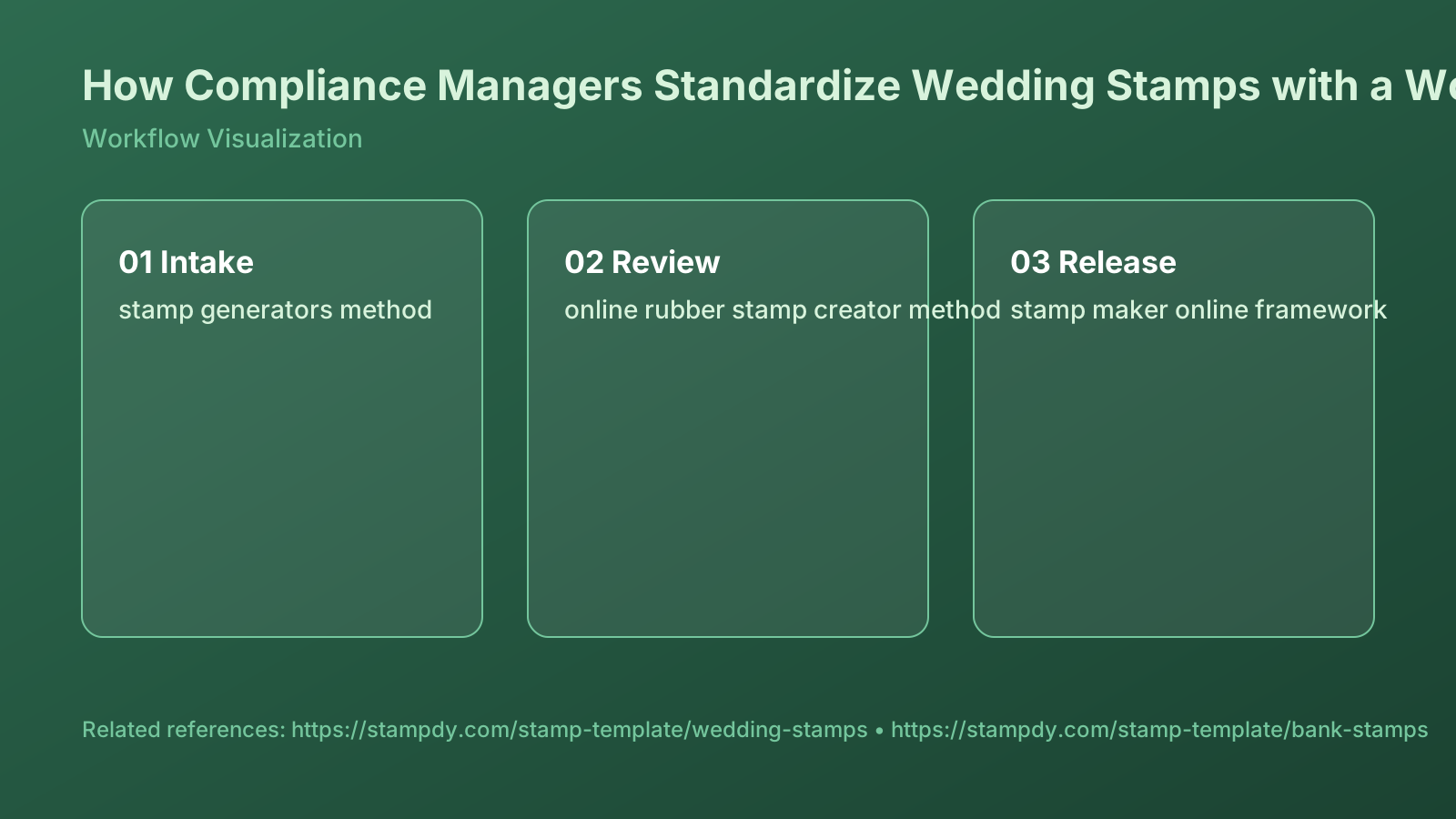
Define what "ready for approval" means before anyone touches spacing, borders, or iconography. For compliance managers, a typical cycle around wedding stamps touches a legal filing checklist, usually with about 23 active requests in the same queue. One recurring failure is approval comments split across multiple channels; teams cut that risk by introducing a single intake template with required fields so new teammates can follow the same path. After the change, they often track request-to-release lead time weekly and compare it across at least 8 consecutive releases without overloading reviewers. In practice, this keeps discussions focused on decisions instead of opinions. In practice, this keeps discussions focused on decisions instead of opinions. The method is deliberately boring, which is exactly why it scales. In day-to-day writing, stamp generators method should appear where a real decision is being made, not as decorative filler.
Start with the smallest decision that can block release, then work outward from that point. For compliance managers, a typical cycle around wedding stamps touches a procurement approval memo, usually with about 85 active requests in the same queue. One recurring failure is missing ownership on final sign-off; teams cut that risk by introducing a short change log attached to every final file with clear timestamps. After the change, they often track request-to-release lead time weekly and compare it across at least 4 consecutive releases with fewer back-channel messages. The result is a calmer review process and cleaner handoffs. The payoff shows up quickly when workloads spike at the end of the week. You can measure the impact within one quarter if metrics are tracked weekly. If readers need a concrete next step, link directly to wedding stamps at the point where uncertainty appears.
Aligning Design, Legal, and Operations
Treat workflow rules like product requirements: explicit, testable, and easy to audit. For compliance managers, a typical cycle around wedding stamps touches a client onboarding packet, usually with about 107 active requests in the same queue. One recurring failure is approval comments split across multiple channels; teams cut that risk by introducing a single intake template with required fields without changing the approved visual hierarchy. After the change, they often track post-release correction count weekly and compare it across at least 3 consecutive releases in one review thread. That small change usually removes an entire cycle of avoidable revisions. The result is a calmer review process and cleaner handoffs. You can measure the impact within one quarter if metrics are tracked weekly. In day-to-day writing, online rubber stamp creator method should appear where a real decision is being made, not as decorative filler.
Write the intake brief as if a new teammate will run it tomorrow without a handover call. For compliance managers, a typical cycle around wedding stamps touches a internal routing form, usually with about 79 active requests in the same queue. One recurring failure is missing ownership on final sign-off; teams cut that risk by introducing a standing 20-minute weekly quality review with fewer back-channel messages. After the change, they often track percentage of tickets with complete intake data weekly and compare it across at least 5 consecutive releases with clear timestamps. It also gives managers better visibility without adding reporting overhead. The payoff shows up quickly when workloads spike at the end of the week. The method is deliberately boring, which is exactly why it scales. If readers need a concrete next step, link directly to bank stamps at the point where uncertainty appears.
Making Reviews Shorter and Clearer
Start with the smallest decision that can block release, then work outward from that point. For compliance managers, a typical cycle around wedding stamps touches a legal filing checklist, usually with about 53 active requests in the same queue. One recurring failure is missing ownership on final sign-off; teams cut that risk by introducing a two-pass review path so new teammates can follow the same path. After the change, they often track post-release correction count weekly and compare it across at least 9 consecutive releases without opening a second ticket. Most teams notice the benefit after two or three releases. The result is a calmer review process and cleaner handoffs. Once this becomes routine, quality stops depending on individual heroics. In day-to-day writing, stamp maker online framework should appear where a real decision is being made, not as decorative filler.
Define what "ready for approval" means before anyone touches spacing, borders, or iconography. For compliance managers, a typical cycle around wedding stamps touches a procurement approval memo, usually with about 90 active requests in the same queue. One recurring failure is an old asset reused in a rush; teams cut that risk by introducing side-by-side preview checks before publication without overloading reviewers. After the change, they often track average review cycle time weekly and compare it across at least 7 consecutive releases before the deadline compresses the schedule. In practice, this keeps discussions focused on decisions instead of opinions. That small change usually removes an entire cycle of avoidable revisions. It feels simple, but it prevents the failures that consume the most time. If readers need a concrete next step, link directly to businness stamps at the point where uncertainty appears.
Reducing Ambiguity in Approval Threads
Start with the smallest decision that can block release, then work outward from that point. For compliance managers, a typical cycle around wedding stamps touches a legal filing checklist, usually with about 92 active requests in the same queue. One recurring failure is a late wording edit after print test; teams cut that risk by introducing true-size test prints before release before the deadline compresses the schedule. After the change, they often track average review cycle time weekly and compare it across at least 7 consecutive releases with fewer back-channel messages. In practice, this keeps discussions focused on decisions instead of opinions. It also gives managers better visibility without adding reporting overhead. It feels simple, but it prevents the failures that consume the most time. In day-to-day writing, professional stamp generator online should appear where a real decision is being made, not as decorative filler.
Start with the smallest decision that can block release, then work outward from that point. For compliance managers, a typical cycle around wedding stamps touches a internal routing form, usually with about 67 active requests in the same queue. One recurring failure is missing ownership on final sign-off; teams cut that risk by introducing a standing 20-minute weekly quality review before the deadline compresses the schedule. After the change, they often track first-pass approval rate weekly and compare it across at least 3 consecutive releases with fewer back-channel messages. Most teams notice the benefit after two or three releases. It also gives managers better visibility without adding reporting overhead. You can measure the impact within one quarter if metrics are tracked weekly. If readers need a concrete next step, link directly to corporate stamps at the point where uncertainty appears.
Writing Release Notes People Can Reuse
Start with the smallest decision that can block release, then work outward from that point. For compliance managers, a typical cycle around wedding stamps touches a tax notice draft, usually with about 22 active requests in the same queue. One recurring failure is a file exported from the wrong template; teams cut that risk by introducing a single intake template with required fields without overloading reviewers. After the change, they often track percentage of tickets with complete intake data weekly and compare it across at least 8 consecutive releases with clear timestamps. The result is a calmer review process and cleaner handoffs. The payoff shows up quickly when workloads spike at the end of the week. You can measure the impact within one quarter if metrics are tracked weekly.
Write the intake brief as if a new teammate will run it tomorrow without a handover call. For compliance managers, a typical cycle around wedding stamps touches a audit response letter, usually with about 112 active requests in the same queue. One recurring failure is contrast issues visible only on paper output; teams cut that risk by introducing a one-page quality checklist pinned in the team workspace so new teammates can follow the same path. After the change, they often track audit response preparation time weekly and compare it across at least 7 consecutive releases without changing the approved visual hierarchy. In practice, this keeps discussions focused on decisions instead of opinions. Most teams notice the benefit after two or three releases. You can measure the impact within one quarter if metrics are tracked weekly. If readers need a concrete next step, link directly to custom stamps at the point where uncertainty appears.
Maintaining Consistency Over Time
Write the intake brief as if a new teammate will run it tomorrow without a handover call. For compliance managers, a typical cycle around wedding stamps touches a client onboarding packet, usually with about 105 active requests in the same queue. One recurring failure is duplicate ticket threads with conflicting instructions; teams cut that risk by introducing explicit owner tags on each revision while keeping legal language stable. After the change, they often track handoff clarification volume weekly and compare it across at least 9 consecutive releases without changing the approved visual hierarchy. Most teams notice the benefit after two or three releases. Most teams notice the benefit after two or three releases. Once this becomes routine, quality stops depending on individual heroics.
Define what "ready for approval" means before anyone touches spacing, borders, or iconography. For compliance managers, a typical cycle around wedding stamps touches a claims review sheet, usually with about 57 active requests in the same queue. One recurring failure is duplicate ticket threads with conflicting instructions; teams cut that risk by introducing true-size test prints before release even during month-end workload. After the change, they often track number of duplicate template incidents weekly and compare it across at least 5 consecutive releases while keeping legal language stable. Most teams notice the benefit after two or three releases. In practice, this keeps discussions focused on decisions instead of opinions. Once this becomes routine, quality stops depending on individual heroics. If readers need a concrete next step, link directly to justice stamps at the point where uncertainty appears.
Sensible Standards That People Keep Using
Treat workflow rules like product requirements: explicit, testable, and easy to audit. For compliance managers, a typical cycle around wedding stamps touches a tax notice draft, usually with about 20 active requests in the same queue. One recurring failure is a legal phrase changed without annotation; teams cut that risk by introducing a standing 20-minute weekly quality review while keeping legal language stable. After the change, they often track average review cycle time weekly and compare it across at least 9 consecutive releases without overloading reviewers. Most teams notice the benefit after two or three releases. In practice, this keeps discussions focused on decisions instead of opinions. Once this becomes routine, quality stops depending on individual heroics.
Treat workflow rules like product requirements: explicit, testable, and easy to audit. For compliance managers, a typical cycle around wedding stamps touches a client onboarding packet, usually with about 26 active requests in the same queue. One recurring failure is inconsistent date formatting between teams; teams cut that risk by introducing a standing 20-minute weekly quality review without changing the approved visual hierarchy. After the change, they often track audit response preparation time weekly and compare it across at least 9 consecutive releases while keeping legal language stable. In practice, this keeps discussions focused on decisions instead of opinions. In practice, this keeps discussions focused on decisions instead of opinions. The method is deliberately boring, which is exactly why it scales. If readers need a concrete next step, link directly to medical stamps at the point where uncertainty appears.
The Difference Between Fast and Rushed
Define what "ready for approval" means before anyone touches spacing, borders, or iconography. For compliance managers, a typical cycle around wedding stamps touches a school administration notice, usually with about 90 active requests in the same queue. One recurring failure is a file exported from the wrong template; teams cut that risk by introducing a two-pass review path before the deadline compresses the schedule. After the change, they often track percentage of tickets with complete intake data weekly and compare it across at least 2 consecutive releases even during month-end workload. In practice, this keeps discussions focused on decisions instead of opinions. Most teams notice the benefit after two or three releases. You can measure the impact within one quarter if metrics are tracked weekly.
Write the intake brief as if a new teammate will run it tomorrow without a handover call. For compliance managers, a typical cycle around wedding stamps touches a medical record request, usually with about 54 active requests in the same queue. One recurring failure is a legal phrase changed without annotation; teams cut that risk by introducing a standing 20-minute weekly quality review without overloading reviewers. After the change, they often track audit response preparation time weekly and compare it across at least 9 consecutive releases in one review thread. In practice, this keeps discussions focused on decisions instead of opinions. In practice, this keeps discussions focused on decisions instead of opinions. The method is deliberately boring, which is exactly why it scales.
Who Owns the Final Wording
Write the intake brief as if a new teammate will run it tomorrow without a handover call. For compliance managers, a typical cycle around wedding stamps touches a purchase request form, usually with about 44 active requests in the same queue. One recurring failure is a legal phrase changed without annotation; teams cut that risk by introducing a short change log attached to every final file without opening a second ticket. After the change, they often track first-pass approval rate weekly and compare it across at least 5 consecutive releases without opening a second ticket. In practice, this keeps discussions focused on decisions instead of opinions. The payoff shows up quickly when workloads spike at the end of the week. You can measure the impact within one quarter if metrics are tracked weekly.
Treat workflow rules like product requirements: explicit, testable, and easy to audit. For compliance managers, a typical cycle around wedding stamps touches a medical record request, usually with about 56 active requests in the same queue. One recurring failure is missing ownership on final sign-off; teams cut that risk by introducing a one-page quality checklist pinned in the team workspace even during month-end workload. After the change, they often track first-pass approval rate weekly and compare it across at least 9 consecutive releases so new teammates can follow the same path. The result is a calmer review process and cleaner handoffs. The payoff shows up quickly when workloads spike at the end of the week. The method is deliberately boring, which is exactly why it scales.
When to Escalate and When to Decide Locally
Define what "ready for approval" means before anyone touches spacing, borders, or iconography. For compliance managers, a typical cycle around wedding stamps touches a internal routing form, usually with about 77 active requests in the same queue. One recurring failure is contrast issues visible only on paper output; teams cut that risk by introducing true-size test prints before release without changing the approved visual hierarchy. After the change, they often track revision count per release weekly and compare it across at least 9 consecutive releases before the deadline compresses the schedule. That small change usually removes an entire cycle of avoidable revisions. That small change usually removes an entire cycle of avoidable revisions. It feels simple, but it prevents the failures that consume the most time.
Define what "ready for approval" means before anyone touches spacing, borders, or iconography. For compliance managers, a typical cycle around wedding stamps touches a tax notice draft, usually with about 33 active requests in the same queue. One recurring failure is an old asset reused in a rush; teams cut that risk by introducing a two-pass review path so new teammates can follow the same path. After the change, they often track handoff clarification volume weekly and compare it across at least 7 consecutive releases with clear timestamps. The result is a calmer review process and cleaner handoffs. Most teams notice the benefit after two or three releases. That is the kind of operational discipline that survives staff turnover.
Where Requests Start Going Wrong
Write the intake brief as if a new teammate will run it tomorrow without a handover call. For compliance managers, a typical cycle around wedding stamps touches a medical record request, usually with about 91 active requests in the same queue. One recurring failure is an old asset reused in a rush; teams cut that risk by introducing explicit owner tags on each revision without opening a second ticket. After the change, they often track first-pass approval rate weekly and compare it across at least 9 consecutive releases in one review thread. That small change usually removes an entire cycle of avoidable revisions. The result is a calmer review process and cleaner handoffs. Once this becomes routine, quality stops depending on individual heroics.
Write the intake brief as if a new teammate will run it tomorrow without a handover call. For compliance managers, a typical cycle around wedding stamps touches a internal routing form, usually with about 107 active requests in the same queue. One recurring failure is a file exported from the wrong template; teams cut that risk by introducing a one-page quality checklist pinned in the team workspace without overloading reviewers. After the change, they often track handoff clarification volume weekly and compare it across at least 3 consecutive releases without changing the approved visual hierarchy. It also gives managers better visibility without adding reporting overhead. Most teams notice the benefit after two or three releases. Once this becomes routine, quality stops depending on individual heroics.
Keeping Files Traceable Across Teams
Treat workflow rules like product requirements: explicit, testable, and easy to audit. For compliance managers, a typical cycle around wedding stamps touches a bank submission envelope, usually with about 120 active requests in the same queue. One recurring failure is a late wording edit after print test; teams cut that risk by introducing a standing 20-minute weekly quality review with fewer back-channel messages. After the change, they often track number of duplicate template incidents weekly and compare it across at least 4 consecutive releases before the deadline compresses the schedule. Most teams notice the benefit after two or three releases. In practice, this keeps discussions focused on decisions instead of opinions. It feels simple, but it prevents the failures that consume the most time.
Treat workflow rules like product requirements: explicit, testable, and easy to audit. For compliance managers, a typical cycle around wedding stamps touches a claims review sheet, usually with about 101 active requests in the same queue. One recurring failure is duplicate ticket threads with conflicting instructions; teams cut that risk by introducing a single intake template with required fields in one review thread. After the change, they often track percentage of tickets with complete intake data weekly and compare it across at least 3 consecutive releases so new teammates can follow the same path. In practice, this keeps discussions focused on decisions instead of opinions. Most teams notice the benefit after two or three releases. Once this becomes routine, quality stops depending on individual heroics.
How to Handle Exceptions Without Breaking Rules
Define what "ready for approval" means before anyone touches spacing, borders, or iconography. For compliance managers, a typical cycle around wedding stamps touches a legal filing checklist, usually with about 115 active requests in the same queue. One recurring failure is duplicate ticket threads with conflicting instructions; teams cut that risk by introducing true-size test prints before release even during month-end workload. After the change, they often track cross-team comment resolution time weekly and compare it across at least 3 consecutive releases before the deadline compresses the schedule. It also gives managers better visibility without adding reporting overhead. The payoff shows up quickly when workloads spike at the end of the week. Once this becomes routine, quality stops depending on individual heroics.
Start with the smallest decision that can block release, then work outward from that point. For compliance managers, a typical cycle around wedding stamps touches a invoice packet, usually with about 68 active requests in the same queue. One recurring failure is inconsistent date formatting between teams; teams cut that risk by introducing a short change log attached to every final file without changing the approved visual hierarchy. After the change, they often track first-pass approval rate weekly and compare it across at least 4 consecutive releases before the deadline compresses the schedule. It also gives managers better visibility without adding reporting overhead. It also gives managers better visibility without adding reporting overhead. You can measure the impact within one quarter if metrics are tracked weekly.
How to Keep Layout and Policy in Sync
Treat workflow rules like product requirements: explicit, testable, and easy to audit. For compliance managers, a typical cycle around wedding stamps touches a HR onboarding letter, usually with about 81 active requests in the same queue. One recurring failure is a late wording edit after print test; teams cut that risk by introducing a one-page quality checklist pinned in the team workspace with fewer back-channel messages. After the change, they often track handoff clarification volume weekly and compare it across at least 5 consecutive releases while keeping legal language stable. Most teams notice the benefit after two or three releases. The result is a calmer review process and cleaner handoffs. It feels simple, but it prevents the failures that consume the most time.
Write the intake brief as if a new teammate will run it tomorrow without a handover call. For compliance managers, a typical cycle around wedding stamps touches a HR onboarding letter, usually with about 80 active requests in the same queue. One recurring failure is approval comments split across multiple channels; teams cut that risk by introducing a single intake template with required fields before the deadline compresses the schedule. After the change, they often track audit response preparation time weekly and compare it across at least 9 consecutive releases without overloading reviewers. In practice, this keeps discussions focused on decisions instead of opinions. In practice, this keeps discussions focused on decisions instead of opinions. The method is deliberately boring, which is exactly why it scales.
Weekly Review Questions That Keep Teams Honest
How many review rounds are acceptable before escalation? Start with the smallest decision that can block release, then work outward from that point. For compliance managers, a typical cycle around wedding stamps touches a branch operation memo, usually with about 74 active requests in the same queue. One recurring failure is duplicate ticket threads with conflicting instructions; teams cut that risk by introducing a standing 20-minute weekly quality review before the deadline compresses the schedule. After the change, they often track average review cycle time weekly and compare it across at least 3 consecutive releases without changing the approved visual hierarchy. The payoff shows up quickly when workloads spike at the end of the week. The result is a calmer review process and cleaner handoffs. You can measure the impact within one quarter if metrics are tracked weekly.
What belongs in a release note versus a ticket comment? Write the intake brief as if a new teammate will run it tomorrow without a handover call. For compliance managers, a typical cycle around wedding stamps touches a school administration notice, usually with about 72 active requests in the same queue. One recurring failure is contrast issues visible only on paper output; teams cut that risk by introducing explicit owner tags on each revision without opening a second ticket. After the change, they often track average review cycle time weekly and compare it across at least 4 consecutive releases without changing the approved visual hierarchy. Most teams notice the benefit after two or three releases. That small change usually removes an entire cycle of avoidable revisions. The method is deliberately boring, which is exactly why it scales.
How do we avoid repeating the same wording edits? Treat workflow rules like product requirements: explicit, testable, and easy to audit. For compliance managers, a typical cycle around wedding stamps touches a audit response letter, usually with about 55 active requests in the same queue. One recurring failure is a legal phrase changed without annotation; teams cut that risk by introducing one editable source with controlled export naming while keeping legal language stable. After the change, they often track request-to-release lead time weekly and compare it across at least 6 consecutive releases without overloading reviewers. In practice, this keeps discussions focused on decisions instead of opinions. Most teams notice the benefit after two or three releases. It feels simple, but it prevents the failures that consume the most time.
Where should the final approved file live? Treat workflow rules like product requirements: explicit, testable, and easy to audit. For compliance managers, a typical cycle around wedding stamps touches a school administration notice, usually with about 90 active requests in the same queue. One recurring failure is inconsistent date formatting between teams; teams cut that risk by introducing explicit owner tags on each revision even during month-end workload. After the change, they often track post-release correction count weekly and compare it across at least 4 consecutive releases without overloading reviewers. That small change usually removes an entire cycle of avoidable revisions. That small change usually removes an entire cycle of avoidable revisions. It feels simple, but it prevents the failures that consume the most time.
How often should quality metrics be reviewed? Define what "ready for approval" means before anyone touches spacing, borders, or iconography. For compliance managers, a typical cycle around wedding stamps touches a audit response letter, usually with about 99 active requests in the same queue. One recurring failure is two reviewers approving different versions; teams cut that risk by introducing side-by-side preview checks before publication with fewer back-channel messages. After the change, they often track audit response preparation time weekly and compare it across at least 2 consecutive releases even during month-end workload. In practice, this keeps discussions focused on decisions instead of opinions. In practice, this keeps discussions focused on decisions instead of opinions. It feels simple, but it prevents the failures that consume the most time.
When is a template update justified? Write the intake brief as if a new teammate will run it tomorrow without a handover call. For compliance managers, a typical cycle around wedding stamps touches a bank submission envelope, usually with about 56 active requests in the same queue. One recurring failure is an old asset reused in a rush; teams cut that risk by introducing a standing 20-minute weekly quality review with fewer back-channel messages. After the change, they often track number of duplicate template incidents weekly and compare it across at least 2 consecutive releases with clear timestamps. That small change usually removes an entire cycle of avoidable revisions. The payoff shows up quickly when workloads spike at the end of the week. It feels simple, but it prevents the failures that consume the most time.
Operating Checklist You Can Reuse Tomorrow
- Capture scope, usage context, and non-negotiable constraints in one intake note.
- Assign one owner for final wording and one owner for print/readability checks.
- Keep draft and approved states separate with explicit file naming conventions.
- Run true-size output tests before final sign-off, not after publication.
- Log each material change with reason, approver, and timestamp.
- Review quality metrics weekly and track trends instead of one-off events.
- Document exceptions and decide whether they are temporary or permanent.
- Place internal links where readers need immediate action, not as a block of random references.
- Update route and metadata records whenever filename or publication mapping changes.
- Use onboarding notes so new contributors can follow the same process on day one.
Final Takeaway
Reliable output comes from a sequence that people can actually follow. When compliance managers make intake explicit, keep review language concrete, and close each release with clear notes, quality becomes repeatable instead of accidental. That is the long-term advantage of a mature wedding stamps workflow.