
India Seals Templates
Round seal templates popular with Indian businesses: firm name on the ring, a city, registration number or emblem in the center. Edit yours in the seal maker.
Found 46 india seals Templates



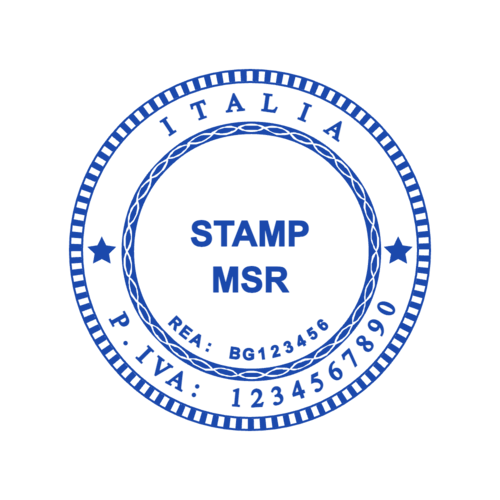








India Seals: Tradition, Symbolism, and Modern Relevance
India has a long and rich history of using seals — from ancient dynasties that ruled the subcontinent to the modern government institutions of today. Seals in India are not just tools for authentication; they carry cultural weight, legal authority, and historical continuity. The story of India seals reflects both heritage and innovation.
Ancient Origins of Indian Seals
Archaeologists have discovered seals dating back to the Indus Valley Civilization (around 2500 BCE). These were usually carved on steatite stone and depicted animals, symbols, and inscriptions in the undeciphered Indus script. They were used for trade, property marking, and religious rituals.
These early seals demonstrate how important identity and legitimacy were to Indian society thousands of years ago. They are considered some of the oldest examples of symbolic communication in human history.
Seals During Indian Kingdoms and Empires
In later centuries, seals became an essential part of Indian administration:
- Maurya and Gupta periods: Royal edicts and land grants were stamped with official seals.
- Mughal Empire: Emperors used elaborate seals inscribed in Persian script to authenticate orders and farmans (royal decrees).
- Regional Kingdoms: Princes and rulers maintained their own seals, often showcasing family emblems, animals, or religious motifs.
These seals were often pressed onto wax, paper, or metal, making them durable and difficult to forge.
Seals in Modern India
Today, seals remain an important part of India’s legal and bureaucratic processes. They are widely used in:
- Government offices: To endorse official letters, certificates, and notices.
- Courts and notaries: For authenticating legal agreements and judgments.
- Educational institutions: Seals on degrees and transcripts provide credibility.
- Corporate sector: Many companies still use seals for branding, contracts, and internal approval.
The State Emblem of India, adapted from the Lion Capital of Ashoka, is one of the most iconic seals. It is imprinted on passports, government documents, and currency, symbolizing authority and the democratic values of the nation.
Design Characteristics of India Seals
Indian seals often include:
- National symbols like the Ashoka Lion, chakra (wheel), or lotus.
- Regional elements such as scripts in Hindi, English, or local languages.
- Official identifiers like department names, designations, or dates.
These elements ensure clarity, authority, and recognition across different sectors.
Digital Transformation of Seals in India
With the rise of technology, India is gradually adopting digital seals for secure electronic documents. These electronic seals function as digital signatures, ensuring that electronic certificates, licenses, and contracts are valid and tamper-proof.
Still, the physical rubber stamp and embossed seal remain deeply rooted in Indian administrative culture. Many organizations use both physical and digital formats side by side.
Why India Seals Still Matter
In a country as vast and diverse as India, seals serve as a unifying symbol of legitimacy and trust. Whether on a school certificate or a government-issued identity card, a seal provides assurance that the document is recognized by the law and respected by institutions.
Further Exploration
If you’re curious about how stamps and seals are adapting worldwide, our article on the evolution of stamp making offers insights into the global journey of these tools from ancient carvings to modern digital platforms.
In conclusion, India seals reflect a remarkable journey from ancient clay impressions to modern digital authentication. They remain a powerful tool of governance, legality, and heritage — symbolizing India’s balance between tradition and progress.